01⌂
Prepare your space
Choose a private, distraction-free place and gather your device, a trusted computer or phone, and the supplied recovery materials.
A calm, clear introduction to preparing your hardware wallet, understanding recovery information, and building safer habits from day one.
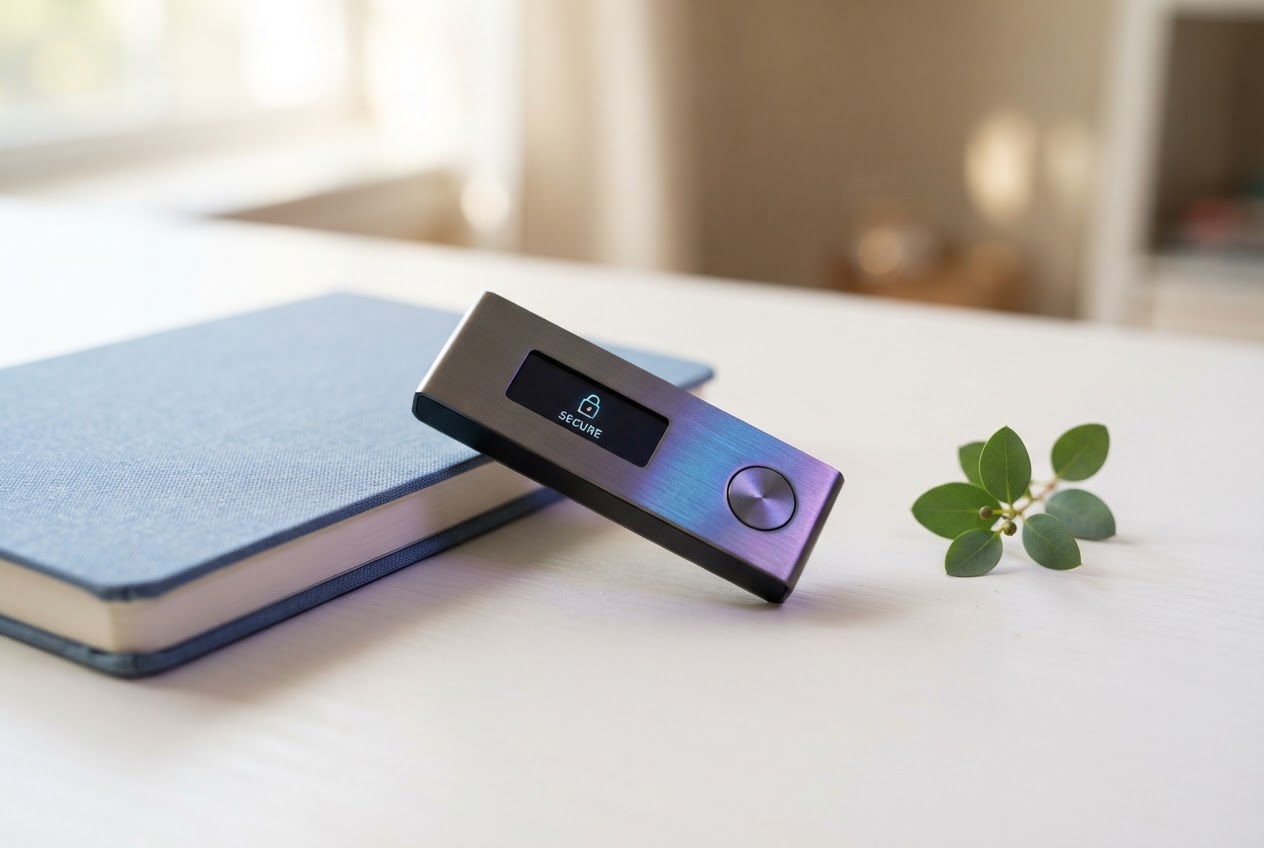
Looking up Ledger.com/start usually means you have a new device and want a reliable path through the first decisions—without skipping the important security details.
This guide is designed to help you understand the broad setup journey before you begin. It covers what to prepare, how to approach the setup prompts, why the recovery phrase matters, and which common pitfalls are worth avoiding. Product screens and supported features can change, so use this as general education rather than a substitute for the current instructions supplied by Ledger.
A hardware wallet is one part of managing digital assets; it does not remove every risk or guarantee that funds are safe. Your careful decisions matter just as much as the device. Move at a pace that lets you read what the device and official application display, and pause if anything feels unexpected.
A few sensible preparations make setup easier—and help you spot anything that deserves a second look.
Start in a private place where you can focus. Have your wallet and its supplied materials nearby, plus a computer or phone you trust. Install operating-system updates and avoid shared or public devices. Use a stable internet connection, but remember that a familiar network name alone does not prove a site or app is genuine.
Reach official resources by typing the known Ledger web address yourself or using a trusted bookmark; be wary of search ads, unsolicited messages, and look-alike domains. Follow the current official setup instructions for your exact product. Do not accept a device or setup process that arrives with a recovery phrase already filled in: the phrase should be generated on your device during your own setup, following its instructions.
There is no need to rush into transferring assets. First understand the controls, recovery process, and what each on-screen confirmation means.
Four deliberate steps—from preparation to a careful first use.
Choose a private, distraction-free place and gather your device, a trusted computer or phone, and the supplied recovery materials.
Navigate directly to Ledger’s official website and follow its current instructions to find the appropriate Ledger wallet application.
Connect your device, follow the prompts on its screen, and review each confirmation on the device itself.
Write down the recovery phrase as directed, confirm it if prompted, and store it offline somewhere private and secure.
The exact screens and order may vary by product. Follow instructions current to your device, and confirm important actions on the device itself.
Your habits are a key part of keeping access under your control.
Understand recovery information →Use Ledger’s official channels for applications and instructions. Check the address carefully, and do not install software sent through unsolicited links.
Read the details shown on your hardware wallet before approving an action. The computer or phone display alone is not a reason to trust a transaction.
Legitimate support should not ask you to disclose recovery words. Treat unexpected requests, remote-access offers, and pressure to act now as warning signs.
Your recovery phrase is a sensitive backup that may restore access to your wallet. Anyone who obtains it could potentially gain control of assets associated with it. Think of it as a master key—not a password you can safely share with someone who says they are helping.
Write it down exactly as instructed and keep it offline in a private, secure place. Never photograph it, store it in cloud notes, paste it into a website, or enter it into a message, form, or support chat. Ledger support will not need your recovery phrase. If a person or screen asks for it, stop and verify the request through official channels.
Small shortcuts can create outsized problems. These are easy to avoid once you know what to watch for.
A search result or message can imitate an official page. Type the address yourself and double-check the domain before downloading anything.
Screenshots and cloud backups can be exposed if an account or device is compromised. Keep recovery information offline and private.
Rushing through a confirmation may authorize something you did not intend. Pause and compare the information on your device.
When you're ready to transact, consider a small test first and verify the destination details. Network transfers can be difficult or impossible to reverse.
A useful pause point before setup—or before your first transaction.
Getting started is less about moving fast and more about understanding what you are confirming. Prepare carefully, keep recovery information private, and rely on current official instructions for device-specific steps. That thoughtful approach is the most useful first step of all.